
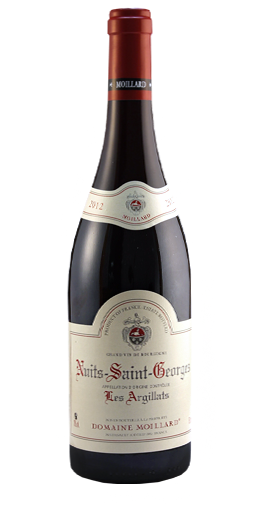
Domaine Moillard - Nuits-Saint-Georges Les Argilats 2012


2*Coup de Coeur
Hachette
Buy your Moillard wines at the best price in a private sale!
Starting at €99 on your first order
Eye
ruby color with violet highlights
Nose
with aromas of cherry, strawberry, blackcurrant, and mineral notes
Palate
Very good length on the palate, with complexity and finesse. Dark fruit notes dominate, and the spicy finish enhances the sensation of power. Well-balanced structure; a wine with aging potential.
Serve
at 14-16°C
Open
1 hour before
Drink starting at
2014
Drink before
2022

Food and Wine Pairings
Enjoy it with flavorful meats such as roast lamb, rib roast, duck breast, or game. Spicy dishes, and strong-flavored cheeses such as Livarot, Munster, Maroilles, Époisses, Langres, Soumaintrain, or Reblochon...


Guide Hachette des vins
Wine noted (guide 2015) 2* Favorite (Remarkable wine)
Rated estate (2015 guide) Award-winning wines (This producer's wines regularly receive awards from the guide)
About the wine:
Under the guidance of its winemaker, Matthieu Carrara, Moillard has produced a remarkable Nuits, unanimously praised for its balance. At first reserved, the nose requires some time to open up and reveal its aromas of red fruit mingled with spices. It is on the palate that the wine truly reveals itself—rich, dense, round, and smooth, supported by fine, silky tannins and just the right amount of liveliness. Aging will lend it even greater complexity.