
21558 customer reviews
Organic wine, natural wine
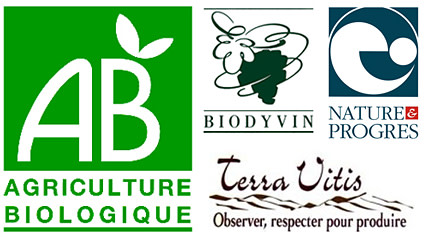
Still a niche market about ten years ago, organic wine has experienced exponential growth since 2009 and is expected to account for nearly 10% of national production in 2012. The Alsace region was a pioneer in organic wine, led by famous estates such as Bott-Geyl and Zind-Humbrecht. They were followed by major estates in Burgundy, such as Domaine Joseph Drouhin, and in the Loire Valley, such as La Coulée de Serrant. Subsequently, all of France’s wine-growing regions joined this movement, though the Bordeaux region may have lagged behind somewhat. This gap will undoubtedly be closed thanks to initiatives by major châteaux, such as Château Pontet-Canet’s transition to biodynamic farming.
Strictly speaking, there is no specific certification for organic wine. The term “organic wine” refers to wines produced using viticultural practices or winemaking methods that preserve nature and bear a specific label. As mentioned, there is not yet a legal certification for organic wine—though one is in the works—but rather semi-public or private labels whose credibility stems either from their approval by the Ministry of Agriculture, the INAO, or the General Directorate for Competition, Consumer Affairs, and Fraud Control (DGCCRF), or the assurance of quality and professionalism they convey. Organic wine, therefore, does not refer to a specific production region, nor even an appellation, much less a particular color, but rather to wineries—or even individual plots—that meet the specifications set by the certifying body.
1. Wines from organic farming: the AB label
Organic farming has been recognized by French government authorities since 1980. Today, the regulations governing this certification have been adopted at the European level. The specifications for obtaining the AB certification aim to mandate agricultural production methods that preserve soil quality, natural resources, the environment, and the continued existence of local agricultural professions. The AB label therefore guarantees that products from such farming consist of at least 95% crops grown without synthetic fertilizers or pesticides (insecticides, herbicides, fungicides, etc.) or Genetically Modified Organisms (GMOs). However, with regard to wine, the AB label means that the vines were cultivated according to the strict specifications of organic farming, but it does not provide any guarantee regarding the winemaking process. Nevertheless, to promote their products, winemakers often apply the same principles when transforming grapes into wine, particularly by adhering to the Charter of the National Interprofessional Federation of Organic Wines.
2. Wines produced using biodynamic methods
Biodynamic agriculture is inspired by the lectures given by Rudolf Steiner in 1924 to German farmers concerned about the declining quality of their crops. Biodynamics shares some similarities with organic farming, but goes further in the solutions it offers. For example, only composts of plant or animal origin may be used. There are half a dozen preparations designed to combat pests, prevent soil depletion, or promote vine growth. Another distinctive feature of biodynamic farming is its use of a planting calendar based on lunar, planetary, and zodiacal cycles. In summary, biodynamic farming aims not only to make agricultural activity sustainable but also to preserve the quality of the grapes. When applied to wine, biodynamics goes even further than the AB certification in that its principles apply not only to vine cultivation but also to the winemaking process, requiring—once again—the exclusion of any additives that are not of natural origin and respect for the rhythms of nature.
3. Sustainable Agriculture
Sustainable agriculture is not organic agriculture in the sense that it does not prohibit the use of synthetic products. However, it can serve as a stepping stone toward the AB label or biodynamic farming. Sustainable agriculture is therefore an official certification issued to farmers who adopt technical methods and agricultural practices that comply with the requirements of the sustainable agriculture standards. This standard is established by Decree No. 2002-631 of April 25, 2002, and contains more than one hundred selection criteria requiring respect for the environment, control of health risks, occupational health and safety, and animal welfare. However, this certification has been criticized because, in the eyes of some, it appears to be merely a restatement of already mandatory standards or the minimum requirement for responsible agriculture. Nevertheless, certification of compliance with these standards provides consumers with an additional guarantee, and sustainable agriculture can serve as a motivating step toward a much more stringent—and therefore riskier—certification for the winegrower.
4. Certificates and Certification Bodies
The concept of organic wine alone is therefore not enough to inform wine lovers about production or winemaking methods; it is therefore necessary to understand what the claimed labels actually mean.
The AB label, whose implications and limitations have already been explained, is awarded by independent certification bodies such as ACLAVE, AGROCERT, QUALITE FRANCE S.A., ULASE, SGS ICS, and ECOCERT—arguably the best known of them all.
Biodynamic farms are eligible for “DEMETER” certification issued by the association Déméter Agriculture Organic-Dynamique. This is a non-official organization, but its charter guarantees adherence to the principles of biodynamic agriculture. The “NATURE ET PROGRES” label, which meets the specifications defined by the International Federation of Agriculture and Ecobiology, is currently considered the most rigorous. In fact, in addition to the principles of biodynamics it requires, this label ensures respect for the environment across all areas of production in the sector: winemaking, social impact, opposition to agricultural intensification, transportation, and the manufacture of packaging and corks, among others. These two organizations are independent of AB certification. Another example is the BIODYVIN label issued by the International Union of Winegrowers Practicing Organic-Dynamic Agriculture, many of whose members do not belong to the DEMETER association. This label is also issued by ECOCERT in accordance with the association’s specific charter.
Finally, sustainable agriculture is certified by independent certifying bodies, some of which may be the same as those that issue the AB label. These organizations are accredited by the National Commission for Sustainable Agriculture. At the initiative of the winegrowers involved, a specific label has been created for sustainable viticulture, applying the principles of the charter to the specific aspects of vineyard work and winemaking: the TERRA VITIS label.
Strictly speaking, there is no specific certification for organic wine. The term “organic wine” refers to wines produced using viticultural practices or winemaking methods that preserve nature and bear a specific label. As mentioned, there is not yet a legal certification for organic wine—though one is in the works—but rather semi-public or private labels whose credibility stems either from their approval by the Ministry of Agriculture, the INAO, or the General Directorate for Competition, Consumer Affairs, and Fraud Control (DGCCRF), or the assurance of quality and professionalism they convey. Organic wine, therefore, does not refer to a specific production region, nor even an appellation, much less a particular color, but rather to wineries—or even individual plots—that meet the specifications set by the certifying body.
1. Wines from organic farming: the AB label
Organic farming has been recognized by French government authorities since 1980. Today, the regulations governing this certification have been adopted at the European level. The specifications for obtaining the AB certification aim to mandate agricultural production methods that preserve soil quality, natural resources, the environment, and the continued existence of local agricultural professions. The AB label therefore guarantees that products from such farming consist of at least 95% crops grown without synthetic fertilizers or pesticides (insecticides, herbicides, fungicides, etc.) or Genetically Modified Organisms (GMOs). However, with regard to wine, the AB label means that the vines were cultivated according to the strict specifications of organic farming, but it does not provide any guarantee regarding the winemaking process. Nevertheless, to promote their products, winemakers often apply the same principles when transforming grapes into wine, particularly by adhering to the Charter of the National Interprofessional Federation of Organic Wines.
2. Wines produced using biodynamic methods
Biodynamic agriculture is inspired by the lectures given by Rudolf Steiner in 1924 to German farmers concerned about the declining quality of their crops. Biodynamics shares some similarities with organic farming, but goes further in the solutions it offers. For example, only composts of plant or animal origin may be used. There are half a dozen preparations designed to combat pests, prevent soil depletion, or promote vine growth. Another distinctive feature of biodynamic farming is its use of a planting calendar based on lunar, planetary, and zodiacal cycles. In summary, biodynamic farming aims not only to make agricultural activity sustainable but also to preserve the quality of the grapes. When applied to wine, biodynamics goes even further than the AB certification in that its principles apply not only to vine cultivation but also to the winemaking process, requiring—once again—the exclusion of any additives that are not of natural origin and respect for the rhythms of nature.
3. Sustainable Agriculture
Sustainable agriculture is not organic agriculture in the sense that it does not prohibit the use of synthetic products. However, it can serve as a stepping stone toward the AB label or biodynamic farming. Sustainable agriculture is therefore an official certification issued to farmers who adopt technical methods and agricultural practices that comply with the requirements of the sustainable agriculture standards. This standard is established by Decree No. 2002-631 of April 25, 2002, and contains more than one hundred selection criteria requiring respect for the environment, control of health risks, occupational health and safety, and animal welfare. However, this certification has been criticized because, in the eyes of some, it appears to be merely a restatement of already mandatory standards or the minimum requirement for responsible agriculture. Nevertheless, certification of compliance with these standards provides consumers with an additional guarantee, and sustainable agriculture can serve as a motivating step toward a much more stringent—and therefore riskier—certification for the winegrower.
4. Certificates and Certification Bodies
The concept of organic wine alone is therefore not enough to inform wine lovers about production or winemaking methods; it is therefore necessary to understand what the claimed labels actually mean.
The AB label, whose implications and limitations have already been explained, is awarded by independent certification bodies such as ACLAVE, AGROCERT, QUALITE FRANCE S.A., ULASE, SGS ICS, and ECOCERT—arguably the best known of them all.
Biodynamic farms are eligible for “DEMETER” certification issued by the association Déméter Agriculture Organic-Dynamique. This is a non-official organization, but its charter guarantees adherence to the principles of biodynamic agriculture. The “NATURE ET PROGRES” label, which meets the specifications defined by the International Federation of Agriculture and Ecobiology, is currently considered the most rigorous. In fact, in addition to the principles of biodynamics it requires, this label ensures respect for the environment across all areas of production in the sector: winemaking, social impact, opposition to agricultural intensification, transportation, and the manufacture of packaging and corks, among others. These two organizations are independent of AB certification. Another example is the BIODYVIN label issued by the International Union of Winegrowers Practicing Organic-Dynamic Agriculture, many of whose members do not belong to the DEMETER association. This label is also issued by ECOCERT in accordance with the association’s specific charter.
Finally, sustainable agriculture is certified by independent certifying bodies, some of which may be the same as those that issue the AB label. These organizations are accredited by the National Commission for Sustainable Agriculture. At the initiative of the winegrowers involved, a specific label has been created for sustainable viticulture, applying the principles of the charter to the specific aspects of vineyard work and winemaking: the TERRA VITIS label.
Buy the best organic wines at a private sale!
Rated site21558 reviews
-20€
Starting at €99 on your first order
Organic wines recently featured in a private sale on 1jour1vin
Domaine des Pothiers - Côte Roannaise Domaine 2024 (Vieilles vignes)
Côte Roannaise|Red wine|Organic

5/5(1 avis)

More info


Maison des Ardoisières - Silice blanc 2025
Vin de France|White wine|Organic
More info

Domaine des Ardoisières - Vin des Allobroges Argile rouge 2025
IGP Vin des Allobroges - Coteaux de St Pierre de Soucy|Red wine|Organic
More info

Domaine des Ardoisières - Vin des Allobroges Argile blanc 2025
IGP Vin des Allobroges - Coteaux de St Pierre de Soucy|White wine|Organic
More info


Château Maucoil - Châteauneuf du Pape Tradition rouge 2024
Châteauneuf-du-Pape|Red wine|Organic
More info


Loading...