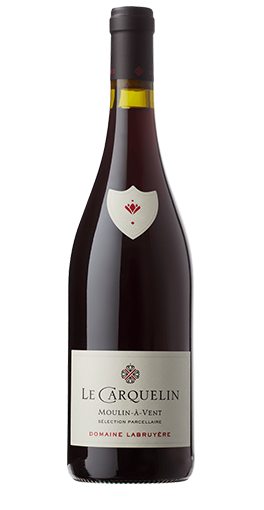
Domaine Labruyère - Moulin-à-Vent Le Carquelin 2018
93/100
Decanter
92/100
RVF
92/100
James Suckling
91/100
Robert Parker
“The graphite finish, reminiscent of peppermint, will ensure the wine ages well (RVF)”
“Beautiful aromas of dried flowers, thyme, and damp earth, accompanied by notes of wild cherry and berries. Some reductive nuances. Aromas of slate and orange zest. Great liveliness and energy on the palate; a medium-bodied to full-bodied wine with fine, well-structured tannins. It will age beautifully, but is already a real pleasure to drink.” (Decanter 2023)
Buy your Labruyère wines at the best price through a private sale!
Starting at €99 on your first order
Eye
A beautiful, deep red-black color with violet highlights
Nose
Elegant, light, with floral notes (violet, rose, peony), with a fresh, minty, licorice-like quality
Palate
Fresh, spicy, juicy cherry, with fine, smooth, and refined tannins
Serve
At 14-16°C
Drink before
2030
Guard
More than 10 years
Food and Wine Pairings
Pairs well with Rhône-style eel stew, carp fillet with Régnié, hot sausage with Beaujolais, Beaujolais-style andouillette, and cheeses such as St-Félicien, Chaource, and Maroilles
Bettane & Desseauve
Rated estate (2021 guide): 2*Stars (A solid, recommendable offering, though slightly more consistent and uniform than the previous one)
About the estate:
The Labruyère estate is one of the oldest in the Moulin-à-Vent appellation. In 1850, Jean-Marie Labruyère, a winegrower and laborer, settled in Les Thorins, a hamlet of Romanèche-Thorins. Since then, successive generations have managed the estate’s 10 hectares. During this period, the family acquired the appellation’s only single vineyard, the Clos du Moulin-à-Vent. In 2008, Édouard Labruyère took over the estate with the goal of establishing it as one of the appellation’s leading producers. Under the guidance of winemaker Nadine Gublin (who also oversees the Jacques Prieur estate and JM Labruyère champagnes), the estate has reached new heights in recent vintages. The wines, which can sometimes seem austere upon first opening, reveal a depth and complexity that live up to the ambitions set forth a decade ago. Clos du Moulin-à-Vent holds its own, with a superb vintage in 2017.
Decanter
Wine rated (2021 guide) 93/100
About the wine:
Beautiful aromas of dried flowers, thyme, and damp earth, accompanied by notes of wild cherry and berries. Some reductive nuances. Aromas of slate and orange zest. Great liveliness and energy on the palate; a medium-bodied to full-bodied wine with fine, well-structured tannins. It will age beautifully, but is already a real pleasure to drink. Enjoy now or lay it down.
Guide Hachette des vins
Rated estate (2022 guide) Award-winning wines (This producer’s wines regularly receive awards from the guide)
About the estate:
After making their fortune in the retail industry, the Labruyères invested in wine, purchasing shares in Dom. Jacques Prieur in Meursault in 1988. Since 2008, they have also reconnected with their Beaujolais roots: an ancestor had settled in Les Thorins in 1850, managing, among other things, the renowned Clos du Moulin-à-Vent monopoly. Édouard Labruyère took over the estate, retaining only the finest plots. The vineyard now covers 14 hectares.
Robert Parker - Wine Advocate
Wine rated (2020 guide) 91/100 (Excellent wine)
Rated estate (2022 guide) Recommended (Wine producer recommended by Robert Parker - The Wine Advocate)
About the wine:
Intense aromas of red berries, spices, and smoked meat set the stage for the 2018 Moulin-à-Vent Le Carquelin, a medium-bodied to full-bodied wine that is rich and full-flavored, with a generous fruity core, lively acidity, and structured, velvety tannins. It has developed very well.
About the estate:
2018 is the finest vintage I’ve tasted to date from Domaine Labruyère. Not only was the Moulin-à-Vent finally spared from hail—which devastated the appellation in 2016 and 2017 —but the 2018s are the most integrated wines I’ve tasted from the estate to date; their aging has resulted in a much more subtle contribution to aroma and structure than was the case in the previous vintages I’ve encountered. The winemaking process here is what is sometimes referred to as “Burgundian”: that is, the grapes are destemmed and macerated for 2 to 3 weeks in concrete tanks before aging in barrels and demi-muids.
RVF - La Revue du Vin de France / Guide des Meilleurs Vins de France
Wine rated (2021 guide) 92/100
Rated estate (2022 guide) 1*Star (Up-and-coming stars or high-quality winemakers producing wines of a good standard—you won’t be disappointed when you taste the wines from these estates)
About the wine:
The aging process defines the nose: mocha, Black Forest cake, blond tobacco… The palate is dense and robust, framed by wood that’s still present. But the graphite-like finish, reminiscent of peppermint, ensures it will age well.
About the estate:
The Labruyère family has owned this château since 1850. Jean-Pierre Labruyère, who also owns the Jacques Prieur estate in Meursault and Château Rouget in Pomerol, handed over the reins to his son Édouard in 2008. The winemaking facility has been modernized, and the estate expanded. In 2000, the Clos du Moulin-à-Vent was added to the vineyard holdings. Nadine Gublin is in charge of the cellar, and Michel Rovere oversees the vineyards. The “Burgundian” winemaking method (destemming followed by barrel aging) produces wines with full yet smooth tannins that age beautifully.
James Suckling
Wine rated (2021 guide) 92/100
About the wine:
On the nose, aromas of tart cherries, cranberries, rhubarb, violets, and nutmeg. This is a medium-bodied wine with tight, silky tannins. It is well-structured and has a supple, creamy texture. The finish is complex, flavorful, and peppery. Enjoy now or celller.
ESTATE PRICE
29
.50
Cash Back | 2.00%
