
21560 customer reviews
White wine

1. The Production of White Wine
When the grapes arrive at the winery, the grape clusters (white or red) are destemmed, meaning the berries are separated from the stems. Next comes the crushing stage. The berries are gently crushed to release their juice. They are then sent directly to a press.
Next comes the settling process, which is an essential step in defining the wine’s character. The juice from the press is pumped into a settling tank. The must obtained from the press is then placed in a tank to allow for settling. The particles that cause the juice to become cloudy sink to the bottom of the settling tank, and the clear juice is then collected and transferred to a fermentation tank or barrels.
The fermentation period required to complete alcoholic fermentation ranges from fifteen days to a month and a half for a dry white wine. It is much longer for a sweet wine and can last several months.
Next comes the aging process, except for young wines. Before being bottled, the wine undergoes a number of steps designed to enhance its qualities and preserve its distinctive character. It may be filtered to give it its full brilliance.
Blending is also a crucial stage in a wine’s life; in appellations where multiple grape varieties are permitted, this involves creating the wine by combining different types of grapes. Next comes bottling, which allows wine enthusiasts to continue the aging process in their own wine cellars.
2. Sweet or dessert wines
In addition to a longer fermentation period, sweet and dessert wines are produced using various methods, which may or may not be combined. One example is late harvesting, which involves leaving the grapes on the vine so that their sugar content concentrates under the sun’s influence. Off-vine drying is a technique that involves allowing the water in the berries to evaporate after harvest. In certain terroirs, climatic conditions allow noble rot to develop on the grapes. This technique is used to produce Sauternes, Monbazillac, and certain Loire Valley wines such as Coteaux du Layon Chaume. Finally, sugar concentration can be achieved through cold pressing. The chilled grapes retain frozen water crystals within them and, under pressure from the press, release only the sweetest juice. This technique allows for the production of sweet wine in regions where climatic conditions would otherwise not permit it, though the aromas are altered.
3. White Wine Grape Varieties
There are many grape varieties used to make white wine. It should be noted that the grapes used can be white or red with white flesh; only the white juice is used to make the wine. Maceration, which gives red wines their color, is a step that does not occur in the production of white wines. Among the most commonly used white grape varieties are: Chardonnay B from Burgundy, and Sauvignon B, whose cultivation has spread considerably in France, the United States, and South Africa. Vineyards in Alsace use a grape variety well-suited to harsh climatic conditions: Riesling B. While this list is not exhaustive, other varieties worth mentioning include: Chenin B in the Loire Valley, Viognier in the Rhône Valley, white Grenache, Sémillon B in the Bordeaux region, Maccabeu B in Spain or in Languedoc and Roussillon, and Ugni Blanc in Italy... As mentioned, certain grape varieties with pink or red skins are also used to make white wines: Gewurztraminer, Pinot Noir...
4. White Wine Regions
The major white wine-producing regions are partly determined by consumer preferences. Thus, in South Africa, Australia, and the United States, white wine consumption outpaces that of red or rosé wines. Wine-growing regions are therefore more often focused on white wine production. France stands out as an exception, with white wine consumption accounting for only a very small share of the total; yet, as an exporter, it nonetheless boasts several very large white wine-producing regions. In addition to Champagne, the Loire Valley, Alsace, and the Jura produce white wines of excellent reputation. However, the Bordeaux and Burgundy regions also have appellations renowned for the quality of their white wines: Sauternes, Barsac, Chablis, Meursault...
5. A Few Legendary White Wines
Château Yquem from Sauternes is undoubtedly among the pantheon of famous wines. This estate of exceptional quality goes so far as to sacrifice harvests to protect its reputation, sometimes skipping certain vintages, such as 1974 or 1992. It is, however, a sweet wine. Among dry whites, there is no single name that stands out quite so prominently in terms of fame, but certain names often come to mind when discussing exceptional white wines: Château Laville Haut-Brion in Pessac-Léognan, the Beaune Premier Cru Clos des Mouches, or the Montrachet Marquis Laguiche from Domaine Joseph Drouhin, Château Grillet in the Rhône Valley, or La Coulée de Serrant in the Loire Valley.
6. White Wine and Food Pairings
Pairing white wines is, once again, primarily a matter of taste and following basic rules; the rest comes with experience and personal preference. However, it’s clear that a sweet, syrupy wine won’t pair well with the same dishes as a dry white wine. The former can be enjoyed as an aperitif, with foie gras, lobster, blue cheese, or certain desserts. A dry white wine pairs well with non-fatty fish—whether grilled or marinated—or with white meats. Some white wines can serve as a go-to option for dishes that are difficult to pair, such as soups, salads, or eggs; in these cases, one might choose dry white wines that are more or less lively or more or less full-bodied to compensate for the way certain foods alter the palate.
When the grapes arrive at the winery, the grape clusters (white or red) are destemmed, meaning the berries are separated from the stems. Next comes the crushing stage. The berries are gently crushed to release their juice. They are then sent directly to a press.
Next comes the settling process, which is an essential step in defining the wine’s character. The juice from the press is pumped into a settling tank. The must obtained from the press is then placed in a tank to allow for settling. The particles that cause the juice to become cloudy sink to the bottom of the settling tank, and the clear juice is then collected and transferred to a fermentation tank or barrels.
The fermentation period required to complete alcoholic fermentation ranges from fifteen days to a month and a half for a dry white wine. It is much longer for a sweet wine and can last several months.
Next comes the aging process, except for young wines. Before being bottled, the wine undergoes a number of steps designed to enhance its qualities and preserve its distinctive character. It may be filtered to give it its full brilliance.
Blending is also a crucial stage in a wine’s life; in appellations where multiple grape varieties are permitted, this involves creating the wine by combining different types of grapes. Next comes bottling, which allows wine enthusiasts to continue the aging process in their own wine cellars.
2. Sweet or dessert wines
In addition to a longer fermentation period, sweet and dessert wines are produced using various methods, which may or may not be combined. One example is late harvesting, which involves leaving the grapes on the vine so that their sugar content concentrates under the sun’s influence. Off-vine drying is a technique that involves allowing the water in the berries to evaporate after harvest. In certain terroirs, climatic conditions allow noble rot to develop on the grapes. This technique is used to produce Sauternes, Monbazillac, and certain Loire Valley wines such as Coteaux du Layon Chaume. Finally, sugar concentration can be achieved through cold pressing. The chilled grapes retain frozen water crystals within them and, under pressure from the press, release only the sweetest juice. This technique allows for the production of sweet wine in regions where climatic conditions would otherwise not permit it, though the aromas are altered.
3. White Wine Grape Varieties
There are many grape varieties used to make white wine. It should be noted that the grapes used can be white or red with white flesh; only the white juice is used to make the wine. Maceration, which gives red wines their color, is a step that does not occur in the production of white wines. Among the most commonly used white grape varieties are: Chardonnay B from Burgundy, and Sauvignon B, whose cultivation has spread considerably in France, the United States, and South Africa. Vineyards in Alsace use a grape variety well-suited to harsh climatic conditions: Riesling B. While this list is not exhaustive, other varieties worth mentioning include: Chenin B in the Loire Valley, Viognier in the Rhône Valley, white Grenache, Sémillon B in the Bordeaux region, Maccabeu B in Spain or in Languedoc and Roussillon, and Ugni Blanc in Italy... As mentioned, certain grape varieties with pink or red skins are also used to make white wines: Gewurztraminer, Pinot Noir...
4. White Wine Regions
The major white wine-producing regions are partly determined by consumer preferences. Thus, in South Africa, Australia, and the United States, white wine consumption outpaces that of red or rosé wines. Wine-growing regions are therefore more often focused on white wine production. France stands out as an exception, with white wine consumption accounting for only a very small share of the total; yet, as an exporter, it nonetheless boasts several very large white wine-producing regions. In addition to Champagne, the Loire Valley, Alsace, and the Jura produce white wines of excellent reputation. However, the Bordeaux and Burgundy regions also have appellations renowned for the quality of their white wines: Sauternes, Barsac, Chablis, Meursault...
5. A Few Legendary White Wines
Château Yquem from Sauternes is undoubtedly among the pantheon of famous wines. This estate of exceptional quality goes so far as to sacrifice harvests to protect its reputation, sometimes skipping certain vintages, such as 1974 or 1992. It is, however, a sweet wine. Among dry whites, there is no single name that stands out quite so prominently in terms of fame, but certain names often come to mind when discussing exceptional white wines: Château Laville Haut-Brion in Pessac-Léognan, the Beaune Premier Cru Clos des Mouches, or the Montrachet Marquis Laguiche from Domaine Joseph Drouhin, Château Grillet in the Rhône Valley, or La Coulée de Serrant in the Loire Valley.
6. White Wine and Food Pairings
Pairing white wines is, once again, primarily a matter of taste and following basic rules; the rest comes with experience and personal preference. However, it’s clear that a sweet, syrupy wine won’t pair well with the same dishes as a dry white wine. The former can be enjoyed as an aperitif, with foie gras, lobster, blue cheese, or certain desserts. A dry white wine pairs well with non-fatty fish—whether grilled or marinated—or with white meats. Some white wines can serve as a go-to option for dishes that are difficult to pair, such as soups, salads, or eggs; in these cases, one might choose dry white wines that are more or less lively or more or less full-bodied to compensate for the way certain foods alter the palate.
Buy the best white wines at a private sale!
Rated site21560 reviews
-20€
Starting at €99 on your first order
White wines recently featured in a private sale on 1jour1vin
Maison des Ardoisières - Silice blanc 2025
Vin de France|White wine|Organic

More info

Domaine des Ardoisières - Vin des Allobroges Argile blanc 2025
IGP Vin des Allobroges - Coteaux de St Pierre de Soucy|White wine|Organic
More info

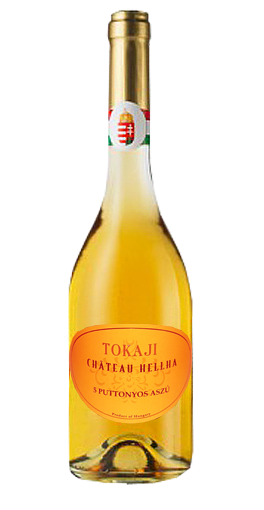
Château Hellha - Tokaji Furmint 2024 (sec)
Tokaji|White wine
More info


Château de Chantegrive - Graves blanc Cuvée Caroline 2024
Graves|White wine
More info

Decugnano dei Barbi - Orvieto Villa Barbi Classico 2024
Orvieto|White wine
More info


Loading...