
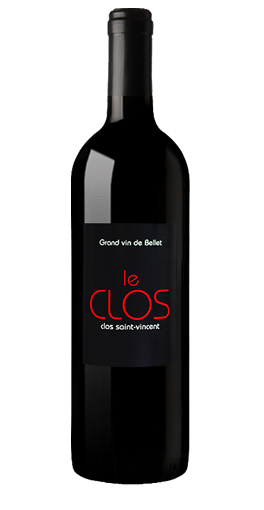
Note: Bettane & Desseauve 15.5/20 (Immediate pleasure), RVF 14.5/20
“Both dense and flavorful, this rich yet exceptionally elegant cuvée offers obvious indulgence. ” (Le Grand Guide des Vins de France 2012 – Bettane & Desseauve). “The 2009 Clos is a light wine with sharp tannins that come through on the finish, accentuating its bitterness.” (Les Meilleurs Vins de France 2012 – RVF)
Buy your Clos Saint-Vincent wines at the best price in a private sale!
Starting at €99 on your first order
Eye
deep ruby color
Nose
rich and flavorful
Palate
A light wine with sharp tannins that come through on the finish
Serve
at 12-14°C
Open
1 hour before
Drink from
2011
Drink before
2023
Production
5,000 to 7,000 bottles

Food and Wine Pairings
A déguster sur des grillades d'agneau, une daube de boeuf, des petits farcis à la provençale... <br/>


Guide des Vins Gault & Millau
Rated estate (2012 guide): 5* Stars (Outstanding Production)
About the estate:
“Acquired by the Sicardi and Sergi families in 1993, Clos Saint-Vincent has undergone several changes, notably its transition to biodynamic farming. The vineyard, situated on a siliceous-calcareous terroir with Pliocene pebbles and puddingstone, benefits from the dual influence of the sea breeze and the cool currents descending from the southern Pre-Alps. Cultivated with the utmost care, the grapes (Roll, Braquet, Folle Noire, etc.) yield a delightful expression of the Bellet appellation—which is capable of producing some of France’s finest white wines.”

RVF - La Revue du Vin de France / Guide des Meilleurs Vins de France
Rated Estate (2012 Guide) Selected (Please note that this guide is a ranking, and as such, all the estates listed here—even those without a star—represent, in our view, the excellence of French wine production.)
About the estate:
“Joseph Sergi tends this 5-hectare micro-vineyard with all the dedication of a true lover of wine and its terroir. The vines are tended with care, and the estate now practices biodynamic viticulture. Winemaking is meticulous, with a large portion of the fermentations taking place in wood (muids and demi-muids), followed by ambitious aging. This can sometimes explain the (noble) reductive nuances in the first few years in the bottle, particularly for the whites, which require aeration before serving for both cuvées: Le Clos (12-month aging) and Vino Di Gio (18-month aging).”
Discover more wines from the estate

