
21548 customer reviews
Anjou


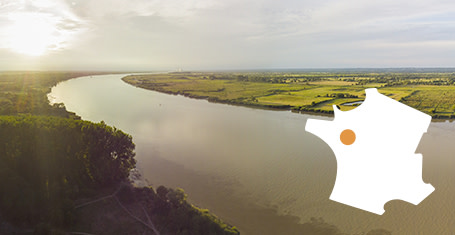
TheAnjou AOC appellation area spans 128 municipalities in Maine-et-Loire, 14 in Deux-Sèvres, and 9 in Vienne. This regional AOC encompasses numerous subregional and municipal AOCs. Anjou wines were granted their AOC status by decree on December 31, 1957.
The total area of the Anjou vineyards is 1,100 hectares and comprises two distinct regions: “Anjou Noir,” located on dark schist soils (on the southeastern edge of the Armorican Massif), which is the largest area, and “Anjou Blanc,” covering the white soils resulting from the weathering of chalk (tuffeau) at the southwestern tip of the Paris Basin, which is very small in size. The climate is temperate oceanic, but rather dry, with relatively small temperature variations.
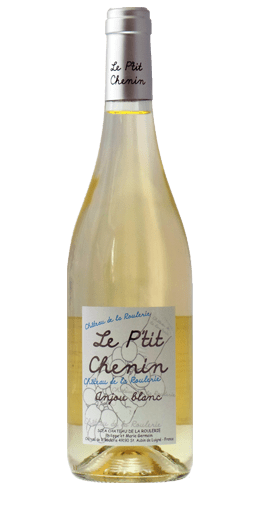
The grape varieties used for Anjou wines are Chenin (at least 80%), Sauvignon, and Chardonnay, which give the wine its deep golden-yellow color. Most AOC Anjou wines reach their peak within two to three years. Fresh and aromatic, they are floral and spring-like. At times, they surprise with their richness and mineral opulence, as seen in the wines produced by Château de la Roulerie or Château de la Guimonière.
The Anjou Villages appellation covers 43 communes in Maine-et-Loire and 3 in Deux-Sèvres. The defined area encompasses the AOC regions of Coteaux du Layon, Anjou Coteaux de la Loire, and Savennières, as well as certain neighboring municipalities. This terroir corresponds to a selection of plots chosen from within the Anjou AOC. The healthiest, earliest-ripening soils with good exposure were selected for the defined area. The Anjou Villages AOC was granted by a decree dated October 14, 1987.
Anjou Villages wines are made from Cabernet Franc and Cabernet Sauvignon, which give them their deep ruby color. Most reach their full potential after 8 to 10 years of aging. Deep and intense, full-bodied and rich, these wines reveal the full expression of the Cabernet varieties ripened on schist soils. Château Princé and Château de Fesles offer some truly excellent Anjou Villages wines.
The total area of the Anjou vineyards is 1,100 hectares and comprises two distinct regions: “Anjou Noir,” located on dark schist soils (on the southeastern edge of the Armorican Massif), which is the largest area, and “Anjou Blanc,” covering the white soils resulting from the weathering of chalk (tuffeau) at the southwestern tip of the Paris Basin, which is very small in size. The climate is temperate oceanic, but rather dry, with relatively small temperature variations.
The grape varieties used for Anjou wines are Chenin (at least 80%), Sauvignon, and Chardonnay, which give the wine its deep golden-yellow color. Most AOC Anjou wines reach their peak within two to three years. Fresh and aromatic, they are floral and spring-like. At times, they surprise with their richness and mineral opulence, as seen in the wines produced by Château de la Roulerie or Château de la Guimonière.
The Anjou Villages appellation covers 43 communes in Maine-et-Loire and 3 in Deux-Sèvres. The defined area encompasses the AOC regions of Coteaux du Layon, Anjou Coteaux de la Loire, and Savennières, as well as certain neighboring municipalities. This terroir corresponds to a selection of plots chosen from within the Anjou AOC. The healthiest, earliest-ripening soils with good exposure were selected for the defined area. The Anjou Villages AOC was granted by a decree dated October 14, 1987.
Anjou Villages wines are made from Cabernet Franc and Cabernet Sauvignon, which give them their deep ruby color. Most reach their full potential after 8 to 10 years of aging. Deep and intense, full-bodied and rich, these wines reveal the full expression of the Cabernet varieties ripened on schist soils. Château Princé and Château de Fesles offer some truly excellent Anjou Villages wines.
For more information, visit the website at Anjou
Buy the best wines from Anjou at a private sale!
Rated site21548 reviews
-20€
Starting at €99 on your first order
Discover our selection of the best Anjou wine producers




Loading...