
21567 customer reviews
Rioja

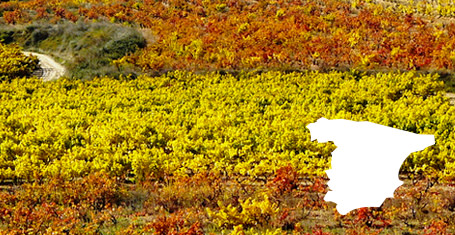
The Rioja region, already renowned in the 19th century, is one of two wine regions to hold the “Denominación de Origen Calificada” designation. Rioja owes its name to the Oja River (Rio Oja), and the appellation’s vineyards do not correspond to any administrative boundaries. As such, the Rioja wine region straddles the autonomous communities of Navarre, the Basque Country, and Castile and León. This region is likely the best-known of Spain’s wine-producing provinces, producing, among other things, highly distinctive and renowned red wines. The reputation of Rioja wine is further reinforced by the quality of the wines produced by Bodega Luis Cañas, Bodega Altanza, and Castillo Labastida.
Most of the wine-growing region enjoys a continental climate, at an average altitude of 400 meters. Rioja red wines feature a typically Spanish grape variety, Tempranillo, most often blended with Grenache Noir. Rioja wines are of very high quality, thanks in particular to strict yield controls, the use of old vines, and unique winemaking and aging techniques. In fact, the wines age for at least a few months in French and American oak barrels, and sometimes for several decades. Depending on the aging process, there are four categories within the Rioja appellation : “Rioja” for wines aged for no more than a few months in oak barrels, “Rioja Crianza” for wines aged for at least two years, including at least one year in oak barrels, “Rioja Reserva” for wines aged for at least three years, including one year in oak barrels, and “Rioja Gran Reserva” for those aged for at least two years in oak barrels and at least three years in the bottle.
Most of the wine-growing region enjoys a continental climate, at an average altitude of 400 meters. Rioja red wines feature a typically Spanish grape variety, Tempranillo, most often blended with Grenache Noir. Rioja wines are of very high quality, thanks in particular to strict yield controls, the use of old vines, and unique winemaking and aging techniques. In fact, the wines age for at least a few months in French and American oak barrels, and sometimes for several decades. Depending on the aging process, there are four categories within the Rioja appellation : “Rioja” for wines aged for no more than a few months in oak barrels, “Rioja Crianza” for wines aged for at least two years, including at least one year in oak barrels, “Rioja Reserva” for wines aged for at least three years, including one year in oak barrels, and “Rioja Gran Reserva” for those aged for at least two years in oak barrels and at least three years in the bottle.
Let’s be honest. Given France’s rich wine heritage, wine lovers in France are all too easily tempted to drink and taste wines without venturing beyond the country’s borders. This is good news for our winemakers, but the urge to be curious and discover other regions by tasting their wines is also an excellent way to add variety to your palate.
Spain’s tradition in this area is well established; it has existed for millennia, just as it has in France. Its wines offer their delights—their aromas and fragrances—which always serve as a delightful reflection of the country. There are many such wines, but let’s focus on the wines of Rioja!
Rioja: A Single Designation of Origin, Yet a World of Excellence
First of all, it’s important to know that three regions in Spain share this designation: the Montes Obarenes-Toloño and Cantabria mountain ranges in the north, and the Demanda and Cameros mountain ranges in the south. They are bordered by the Ebro River and its tributaries. Thus, Rioja Alta and Rioja Alavesa cover the western half of the appellation, on the Atlantic side, benefiting from the ocean’s coolness and humidity, while Rioja Baja, in the eastern part of the region, has a Mediterranean climate characterized by abundant sunshine, heat that often leads to drought, and significant temperature fluctuations. A few words about precipitation: it varies from west to east and from the hills to the valleys, ranging from 350 to 500 mm per year. Across the three regions—and within each one—there are numerous distinct terroirs, varying according to their altitude, the quality of their highly calcareous, rocky soils, and their exposure to the sun and winds.
Choosing a Bottle of Rioja Wine
It is, after all, the starting point if you want to understand all the nuances of Rioja wines—choosing a bottle, even though you know that all Rioja wines are synonymous with centuries-old tradition and high standards of quality.
Red Wines
If you prefer the aromas of red fruits and berries, you’ll want to choose young red wines, which pair perfectly with cheese platters, grilled meats, and charcuterie—preferably Spanish, to stay within the Iberian tradition. Connoisseurs who prefer more mature flavors will find what they’re looking for in a bottle of older Rioja red wine, with its notes of wood, black fruits, blueberries, and blackberries—a wine that pairs well with heartier dishes, such as stews and casseroles, as well as a perfectly grilled rib of beef. It’s worth noting that if you prefer denser red wines, Rioja Oriental—which is higher in alcohol, more structured, and has a lingering finish—will be a good choice.White Wines
Wines from top-tier vineyards can also be white. Among Rioja white wines, the one that stands out is Viura or Macabeu. These wines are best enjoyed chilled, which brings out their flavors of wildflowers, citrus, and spring breezes. Enjoy them as an aperitif, but also with light meals, cheeses, fish, and shellfish—in short, dishes that evoke or are perfect for sunny days.For more information, visit the website at Rioja
Buy the best Rioja wines at a private sale!
Rated site21567 reviews
-20€
Starting at €99 on your first order
Discover our selection of the best Rioja wine producers
Our Latest Rioja Wine Sales


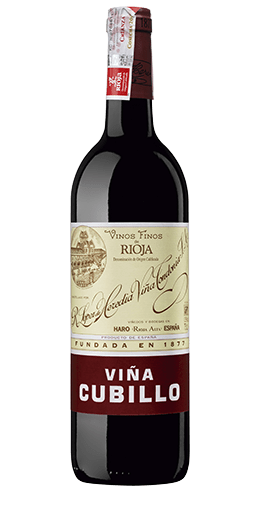


Lopez de Heredia - Rioja Viña Tondonia Reserva 2014
Rioja|White wine

More info

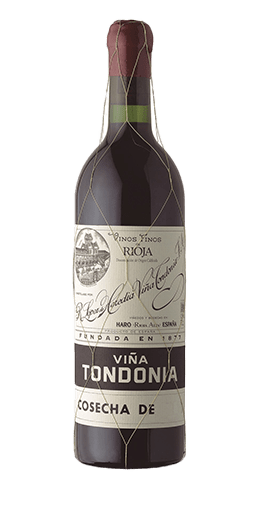

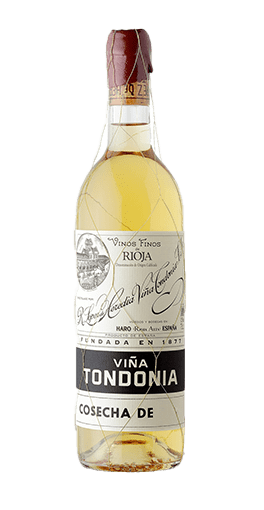
Bodegas Luis Canas - Rioja Gran Reserva 2019
Rioja|Red wine
More info

Bodegas Luis Cañas - Rioja Reserva Seleccion de la Familia 2020
Rioja|Red wine

4.4/5 ( 2019 / 5 reviews)
More info


Loading...