
21558 customer reviews
Côtes du Rhône


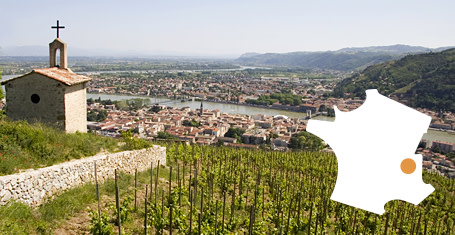
Located on both sides of the Rhône River between Vienne, Valence, and Avignon,theCôtes-du-Rhôneappellation derives its character from an astonishing diversity of soils, climates, and grape varieties. Dating back to 1937, the Côtes-du-Rhône appellation area was expanded in 2004 and now encompasses 171 municipalities. There are essentially five types of soils in the Côtes-du-Rhône. Pebbly soils with clay loam, stony “clay-limestone” soils, and stony alluvial soils (on the slopes of the hills) provide the vines with a steady supply of water and, during the night, release the heat stored during the day by the stones. These soils are particularly well-suited for producing wines with aging potential. Loess and sandy soils provide a more variable water supply. They are better suited for producing white and rosé wines, as well as lighter red wines.
Climatic conditions, as well as soil types, have shaped the selection of grape varieties. Each grape variety brings its own qualities and, when blended with others, helps achieve balance and harmony. Inred Côtes-du-Rhône wines, Grenache—the primary grape variety—brings fruitiness, warmth, and roundness. Syrah and Mourvèdre lend the wine spicy aromas, as well as deep color and a robust structure suited for aging. Cinsault adds finesse and is used to produce rosés and fruity young wines. The white wines combine aromas and freshness thanks to a blend of different grape varieties such as Bourboulenc, Grenache Blanc, Roussanne, Marsanne, Clairette, and/or Viognier. At the suggestion of the winemakers, a new appellation decree was adopted in 1996 with the aim of reinforcing the distinctive character of Côtes-du-Rhône wines. For red and rosé wines, Grenache must account for at least 40% of the grape blend (with the exception of wines produced in the northern region, which are based on Syrah). Similarly, for white wines, 80% of the grape blend consists of Grenache Blanc, Clairette, Marsanne, Roussanne, Bourboulenc, and Viognier.
Leading wineries offer excellent Côtes-du-Rhône wines that showcase the diversity of grape varieties and terroirs: M. Chapoutier, Domaine Tardieu Laurent, Maison Delas Frères, and the unmissable E. Guigal.
Climatic conditions, as well as soil types, have shaped the selection of grape varieties. Each grape variety brings its own qualities and, when blended with others, helps achieve balance and harmony. Inred Côtes-du-Rhône wines, Grenache—the primary grape variety—brings fruitiness, warmth, and roundness. Syrah and Mourvèdre lend the wine spicy aromas, as well as deep color and a robust structure suited for aging. Cinsault adds finesse and is used to produce rosés and fruity young wines. The white wines combine aromas and freshness thanks to a blend of different grape varieties such as Bourboulenc, Grenache Blanc, Roussanne, Marsanne, Clairette, and/or Viognier. At the suggestion of the winemakers, a new appellation decree was adopted in 1996 with the aim of reinforcing the distinctive character of Côtes-du-Rhône wines. For red and rosé wines, Grenache must account for at least 40% of the grape blend (with the exception of wines produced in the northern region, which are based on Syrah). Similarly, for white wines, 80% of the grape blend consists of Grenache Blanc, Clairette, Marsanne, Roussanne, Bourboulenc, and Viognier.
Leading wineries offer excellent Côtes-du-Rhône wines that showcase the diversity of grape varieties and terroirs: M. Chapoutier, Domaine Tardieu Laurent, Maison Delas Frères, and the unmissable E. Guigal.
TheAOC Côtes-du-Rhône Villages was officially established in 1967. Today, it covers 95 municipalities spread across the four southern departments of the wine-growing region: Ardèche, Drôme, Gard, and Vaucluse. It encompasses 3,380 hectares of vineyards in production, primarily red wine varieties.
The soil types are the same as those found in the Côtes-du-Rhône AOC, but the criteria—climate and soil—are applied more strictly in light of the appellation’s production rules. Yields are notably lower, averaging 34 hl/ha.
Recognized for their distinct character, 18 geographic names may appear on the label: Rochegude, Rousset-les-Vignes, Saint-Maurice, Saint-Pantaléon-les-Vignes, Cairanne, Gadagne, Massif d’Uchaux, Plan-de-Dieu, Puyméras, Roaix, Sablet, Séguret, Valréas, Visan, Chusclan, Laudun, Saint-Gervais, and Signargues. These are theCôtes du Rhône Villageswith a geographical name.
The Rhône region is a mecca for French gastronomy and winemaking. Known throughout the world, Côtes-du-Rhône wines rival those of Bordeaux and Burgundy, with some truly exceptional appellations that are a source of pride for the region’s grape varieties. While best known for its red wines, Côtes-du-Rhône also produces white and rosé wines. Some appellations are on the rise and gaining recognition, such as the Costières de Nîmes, for example. A diverse region with a wide range of flavors and tannins, Rhône wines are varied, and there is something to suit every taste and budget.
The Côtes-du-Rhône: A Terroir of Choice
The Rhône wine region stretches over 200 km and is the second-largest territorial appellation after Bordeaux. Côtes-du-Rhône is also one of the oldest appellations d’origine contrôlée in France. The appellation spans six departments, from the Rhône to the Vaucluse, including the Gard and the Ardèche. There are 163 municipalities, from Vienne to Avignon, that are part of this dynamic wine-growing region. The soils, composed of pebbles and sandy clay—particularly on the left bank of the river—are highly conducive to vine growth. These areas also benefit from remarkable microclimates that offer an impressive diversity to the Rhône’s grape varieties. In the northern part of the region, commune-level wines such as the Côtes Rôties delight the most discerning palates. In the southern part of the region, between Gard and Vaucluse, the sun is more intense and the wines are fruitier. Red wine is by far the most common, but there are also small- Gems s of white and rosé wines.
How should you pair your Côtes-du-Rhône with your meal?
One of the great pleasures of Côtes-du-Rhône wine is pairing a bottle perfectly with the dishes served at the table. You can achieve perfection and intense sensations by making the right pairing. Since it’s a wine with character, it makes an excellent companion for a well-marbled, high-quality cut of beef. A Limousin rib of beef, a tournedos, or a Charolais ribeye will be elevated by a fine Côtes-du-Rhône—for example, a prestigious appellation like Châteauneuf-du-Pape. It can be a dazzling moment of delicate flavor. A full-bodied and powerful Côtes-du-Rhône pairs exceptionally well with grilled lamb. You might be less inclined to serve it with a bourguignon, a Provençal stew, or a blanquette. It can shine with bold cheeses like Pélardon or Picodon—cheeses from the region—or even Bleu de Gex, Neufchâtel, or Coulommiers. It also enhances charcuterie, sausages, or rillettes, as well as a simple Niçoise salad, where it acts as a flavor enhancer. When it comes to fish, Côtes-du-Rhône works well too, particularly with dishes prepared with beurre blanc or cream.
Characteristics of Côtes-du-Rhône
Côtes-du-Rhône is not, strictly speaking, a wine meant for aging. Red wines should be consumed within 2 to 4 years of production. White wines should be consumed within 1 to 3 years, and rosé wines should be enjoyed right away!
In the case of red Côtes-du-Rhône—the most common—the color is ruby, fairly light but deeper when Syrah is the dominant grape variety. Rosé wines have a fairly deep color, predominantly violet, which is very distinctive. White wines are amber in color, with a fairly clear yellow hue. On the nose, red Côtes-du-Rhône wines are predominantly fruity, evoking red berries such as cherries or blueberries. More intense wines may exhibit animal or spicy notes, or even hints of ripe fruit—this is typically the case with the finest vintages. Rosé wines are fragrant, sometimes evoking candy or light, tangy floral scents. Côtes-du-Rhône white winesare more reminiscent of delicate, light floral aromas.
On the palate, when the wine comes from very light soils, it is airy and smooth. It develops more structured tannins when it comes from southern soils enriched with alluvial deposits. Côtes-du-Rhône wines remain supple and lively, combining their lightness with a well-defined character, a subtle balance, and a rich, flavorful profile. The rosés stand out with a red fruit flavor that lingers on the palate. The Côtes-du-Rhône white wines are very well-balanced and retain their aromas for a long, flavorful, and refined finish.
For more information, visit the website at Côtes du Rhône
Buy the best Côtes du Rhône wines at a private sale!
Rated site21558 reviews
-20€
Starting at €99 on your first order
Discover our selection of the best wine producers in the Côtes du Rhône region
Our latest sales of Côtes du Rhône wines
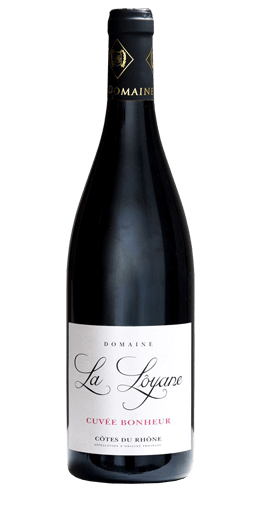
Domaine La Lôyane - Côtes du Rhône Cuvée Bonheur rouge 2025
Côtes du Rhône|Red wine|Organic

More info
Domaine Les Asseyras - Côtes du Rhône Le Rieu rouge 2025
Côtes du Rhône|Red wine
4.8/5 ( 2023 / 4 reviews)
More info

Famille Perrin - Côtes du Rhône Réserve rouge 2024
Côtes du Rhône|Red wine
More info

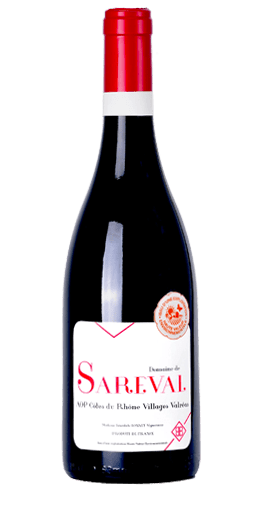
Château Rochecolombe - Côtes du Rhône Viognier 2025
Côtes du Rhône|White wine|Organic

4/5 ( 2024 / 2 reviews)
More info
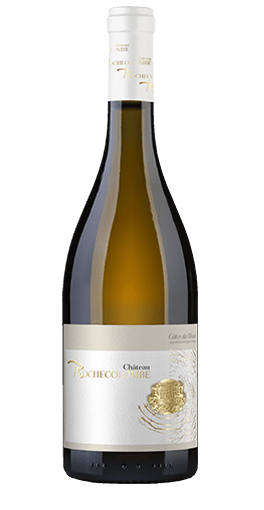
Domaine de Sareval - Côtes du Rhône Villages Valréas rouge 2022
Côtes du Rhône Villages Valréas|Red wine
3.3/5 ( 2020 / 3 reviews)
More info
Domaine de Sareval - Côtes du Rhône Villages Valréas blanc 2023
Côtes du Rhône Villages Valréas|White wine
3/5(2 avis)
More info

M. Chapoutier - Côtes-du-Rhône Belleruche rouge 2025
Côtes du Rhône|Red wine
3.9/5 ( 2024 / 9 reviews)
More info
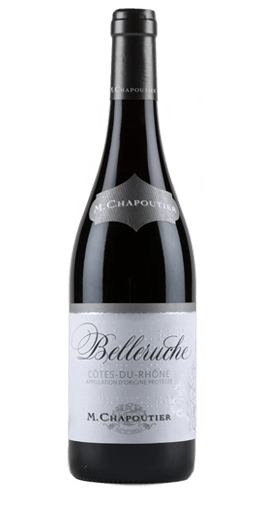
M. Chapoutier - Côtes-du-Rhône Belleruche rosé 2025
Côtes du Rhône|Rosé wine
More info

Domaine Richaud - Côtes-du-Rhône Les Garrigues (ex Les Galets) 2025
Côtes du Rhône|Red wine|Organic
4.8/5 ( 2023 / 5 reviews)
More info

Famille Richaud - Côtes-du-Rhône Tradition 2025
Côtes du Rhône|Red wine|Organic
3.8/5 ( 2023 / 6 reviews)
More info
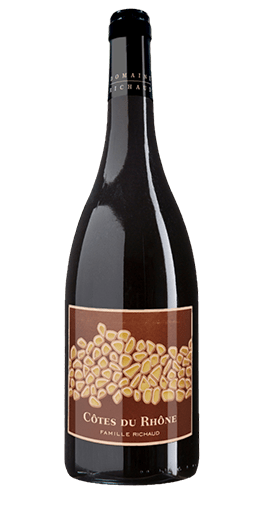
Côtes du Rhône Villages Plan de Dieu L'Oratoire 2024 by Rhonéa
Côtes-du-Rhône Villages Plan de Dieu|Red wine
More info


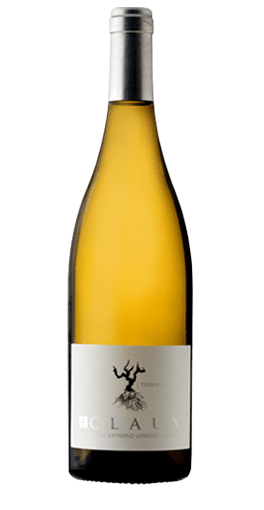
Domaine Raymond Usseglio & Fils - Côtes du Rhône Les Claux blanc 2025
Côtes du Rhône|White wine|Organic
4/5(1 avis)
More info


Loading...