
21550 customer reviews
Bordeaux


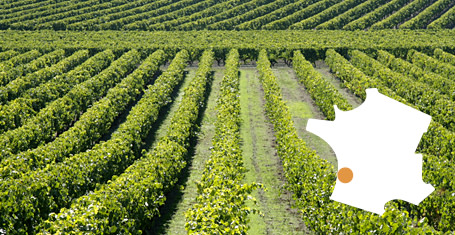
Most of us are familiar with the Bordeaux appellation, but very few people can pinpoint its exact location. Yet it couldn’t be easier! The Bordeaux appellation is a regional designation that applies to all wines produced from vineyard lands (excluding forested areas along the Atlantic Ocean and alluvial lands known as “palus”) in the Gironde department.
The production areas are either exclusively designated for the Bordeaux AOC or shared with other specific appellations. A parcel-by-parcel demarcation has been studied within each municipal territory to identify all parcels or parts thereof—based on their characteristics, soil, and natural environment—that are capable of producing a high-quality product.
The Bordeaux Supérieur AOC complements the other appellations that may be claimed within the Bordeaux wine region, either by taking a back seat to “hierarchically superior” appellations, or because it replaces the Bordeaux AOC when the quality criteria—which are more stringent than those for the latter appellation—are met, notably a mandatory aging period of at least 9 months before release.
The Bordeaux Sec AOC also covers the entire wine-growing region of the Gironde department, but applies only to white wines. To qualify for the appellation, wines must be completely dry, with a residual sugar content not exceeding 4 grams per liter.
The diversity of Bordeaux wines stems not only from the variety of terroirs—since they may come from regions that differ in soil and climate—but also from the cultivation and winemaking techniques employed at the various wineries. These wines are primarily made from Cabernet Sauvignon and Merlot, with the former contributing tannic structure and the latter providing fruitiness and a velvety texture. Cabernet Franc is sometimes included in the blend, adding roundness and spicy aromas. Petit Verdot and Malbec may also be used as supplementary varieties. Nearly 60% of Bordeaux wines are vinified on the estate. The white wines of the Bordeaux and Bordeaux Sec AOCs combine the fruitiness of Sauvignon with the roundness of Sémillon through a well-balanced blend.
Over the past thirty years, the Bordeaux, Bordeaux Supérieur, and Bordeaux Sec appellations have steadily improved their overall quality, notably by eliminating low-quality soils, limiting yields, and establishing more restrictive criteria for obtaining the Appellation d’Origine Contrôlée (AOC) designation. Currently, estates such as Château Belle Garde, Maison Dourthe, and the Thunevin estates stand out for the quality of their Bordeaux appellations. Château Malromé and, above all, Château Reignac also do credit to the Bordeaux Supérieur appellation.
The production areas are either exclusively designated for the Bordeaux AOC or shared with other specific appellations. A parcel-by-parcel demarcation has been studied within each municipal territory to identify all parcels or parts thereof—based on their characteristics, soil, and natural environment—that are capable of producing a high-quality product.
The Bordeaux Supérieur AOC complements the other appellations that may be claimed within the Bordeaux wine region, either by taking a back seat to “hierarchically superior” appellations, or because it replaces the Bordeaux AOC when the quality criteria—which are more stringent than those for the latter appellation—are met, notably a mandatory aging period of at least 9 months before release.
The Bordeaux Sec AOC also covers the entire wine-growing region of the Gironde department, but applies only to white wines. To qualify for the appellation, wines must be completely dry, with a residual sugar content not exceeding 4 grams per liter.
The diversity of Bordeaux wines stems not only from the variety of terroirs—since they may come from regions that differ in soil and climate—but also from the cultivation and winemaking techniques employed at the various wineries. These wines are primarily made from Cabernet Sauvignon and Merlot, with the former contributing tannic structure and the latter providing fruitiness and a velvety texture. Cabernet Franc is sometimes included in the blend, adding roundness and spicy aromas. Petit Verdot and Malbec may also be used as supplementary varieties. Nearly 60% of Bordeaux wines are vinified on the estate. The white wines of the Bordeaux and Bordeaux Sec AOCs combine the fruitiness of Sauvignon with the roundness of Sémillon through a well-balanced blend.
Over the past thirty years, the Bordeaux, Bordeaux Supérieur, and Bordeaux Sec appellations have steadily improved their overall quality, notably by eliminating low-quality soils, limiting yields, and establishing more restrictive criteria for obtaining the Appellation d’Origine Contrôlée (AOC) designation. Currently, estates such as Château Belle Garde, Maison Dourthe, and the Thunevin estates stand out for the quality of their Bordeaux appellations. Château Malromé and, above all, Château Reignac also do credit to the Bordeaux Supérieur appellation.
For more information, visit the website at Bordeaux
Buy the best Bordeaux wines at a private sale!
Rated site21550 reviews
-20€
Starting at €99 on your first order
Discover our selection of the best Bordeaux wine producers
Our Latest Bordeaux Wine Sales
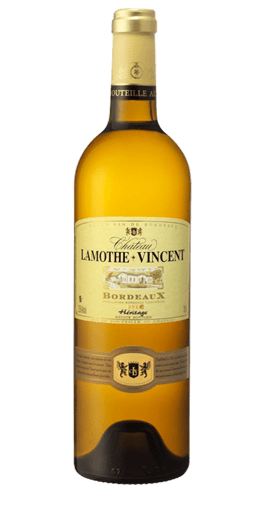
Château Lamothe-Vincent - Bordeaux Héritage blanc 2025
Bordeaux|White wine

More info
Château Lamothe-Vincent - Bordeaux rosé 2025
Bordeaux|Rosé wine
More info

Reignac - Bordeaux Supérieur - Grand Vin 2019 (Magnum)
Bordeaux Supérieur|Red wine
More info


Château Montfollet - Bordeaux Le Valentin rosé 2025
Bordeaux|Rosé wine
More info

Chevalier de Védrines - Bordeaux blanc 2023
Bordeaux|White wine
More info

Chevalier de Védrines - Bordeaux blanc 2025 (Primeurs)
Bordeaux|White wine
More info

Pavillon Blanc Bordeaux Blanc 2025 - Second vin (Primeurs)
Bordeaux|White wine
More info

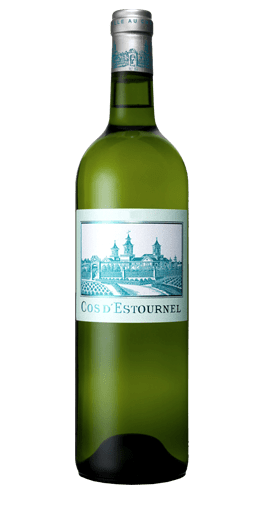
Château Cos d'Estournel - Bordeaux Blanc 2025 (Primeurs)
Bordeaux|White wine
More info


Le Rosé x Giscours - Bordeaux rosé 2025
Bordeaux|Rosé wine
More info


Loading...