
21548 customer reviews
Sancerre

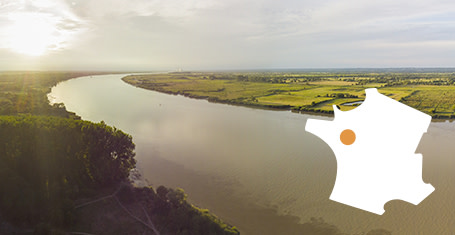
Sancerre is a world-renowned wine region. Vineyards have existed in Sancerre and along the banks of the Loire since ancient times. In the 12th century, the Augustinian monks of Saint-Satur Abbey and the Counts of Sancerre began promoting their red wines made from Pinot Noir. These wines were a resounding success. Duke Jean de Berry himself considered Sancerre wine to be one of the best in the kingdom.
The Sancerre vineyards were destroyed by phylloxera at the end of the 19th century. Instead of replanting only Pinot Noir, the winegrowers added Sauvignon Blanc to the Pinot Noir. The quality of Sancerre wine has remained consistently high ever since. White wines made from Sauvignon Blanc have held AOC status since 1936. Red and rosé wines made from Pinot Noir have held AOC status since 1959.
Located east of the city of Bourges, the Sancerre wine region covers approximately 2,770 hectares. The appellation encompasses 14 municipalities: Bannay, Bué, Crézancy, Menetou-Râtel, Ménétréol, Montigny, Saint-Satur, Sainte-Gemme, Sury-en-Vaux, Thauvenay, Veaugues, Verdigny, Vinon, and, of course, Sancerre.
The vineyards of Sancerre were planted on three types of soil. The “terres blanches” are located in the western part of the region, on the hills. Wines produced from these clay-limestone soils are full-bodied. On the central slopes, the “caillottes” are characterized by stony, limestone soils, which impart floral notes to the wine. Finally, on the hills to the east of the vineyard, the clay-siliceous soils produce firm, mineral-driven wines.
The quality of Sancerre wines is well established. On 1Jour1Vin, an online wine retailer, you’ll find all the best vintages at the best prices, straight from the producers: Alphonse Mellot - La Moussière, Domaine Vacheron, Domaine Delaporte, Pascal and Nicolas Reverdy, Domaine Henry-Pellé…
Vineyards and Winemaking
The Sancerre wine region is located in the Centre-Val de Loire region, primarily in the Cher department. The region covers nearly 3,000 hectares and is home to approximately 360 wineries. It is a hillside wine region situated on the left bank of the Loire River, on the edge of the Paris Basin. Its location is therefore relatively favorable, which explains the wine’s quality. Exposure can vary greatly, sometimes creating microclimates. This allows the grapes to develop a complex flavor. The Sancerre region shields the vines from the wind thanks to the hillsides and from rain due to the region’s low rainfall. The grapes can therefore ripen without being damaged. The soils of the Sancerre estates are primarily limestone, allowing water and moisture to drain easily. Sancerre Blanc is made exclusively from Sauvignon Blanc grapes, while Sancerre rosé and red are made from Pinot Noir grapes.Color, Nose, and Bouquet
White Sancerre has a pale yellow color, slightly lighter than champagne. Red Sancerre, on the other hand, has a ruby color, while the rosé tends toward a grayish hue. White Sancerre offers tart notes of orange and grapefruit mixed with acacia and mint. Depending on the soil, the white may also have hints of blackcurrant and narcissus. Red Sancerre, on the other hand, leans more toward red fruits, particularly cherry and morello cherry, as well as hints of game. You can enjoy even greater complexity by tasting red Sancerre wines from estates where the wine is aged in oak barrels. Finally, the rosé wines offer sweet, summery flavors reminiscent of peaches. The limestone-rich soil of the Sancerre region allows the wine to develop powerful and distinctive aromas that unfold slowly on the palate. Stony soils produce lighter wines whose aromas develop more quickly on the palate. Sancerre white wine is dry yet remains fresh and offers a rounded mouthfeel. The red wine, on the other hand, is much more balanced and has a pronounced flavor. The rosé is a dry wine that remains full-bodied and balanced thanks to its sweet notes. Whether white, red, or rosé, Sancerre wines can be enjoyed young, after one to three years of aging. However, they can develop into excellent vintages. Sancerre also boasts “millennium vintages” from 1959 and 1989. In general, the best vintages for Sancerre are 1959, 1976, 1989, 1990, 1995, and 2005.Sancerre in Gastronomy
Depending on their color, Sancerre wines pair well with different dishes. White Sancerre is a perfect match for fresh cheese, especially goat or sheep’s milk varieties. Staying within the AOCs of the Centre-Val de Loire region, Crottin de Chavignol pairs very well with this type of wine. Bouchons du Sancerre and Salers are also excellent choices. Fresh dishes such as fish—particularly smoked salmon—and shellfish also pair wonderfully with white Sancerre, as do spicy dishes or fish in sauce, such as pike. Red Sancerre is much better suited to main courses featuring poultry and red meat, as well as charcuterie.For more information, visit the website at Sancerre
Buy the best Sancerre wines at a private sale!
Rated site21548 reviews
-20€
Starting at €99 on your first order
Discover our selection of the best Sancerre wine producers
Our latest Sancerre wine sales


Pascal et Nicolas Reverdy - Sancerre Les Anges Lots 2023
Sancerre|White wine

4.2/5 ( 2022 / 6 reviews)

More info

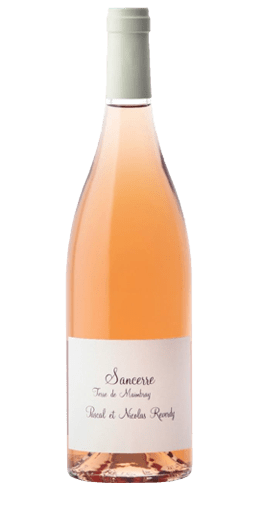
Pascal et Nicolas Reverdy - Sancerre Terre de Maimbray rouge 2024
Sancerre|Red wine
4.2/5 ( 2023 / 9 reviews)
More info
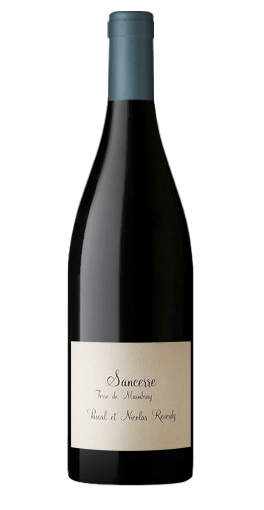
Pascal et Nicolas Reverdy - Sancerre Terre de Maimbray blanc 2025
Sancerre|White wine
4.2/5 ( 2024 / 10 reviews)
More info

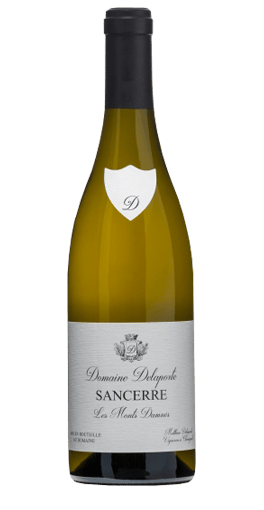
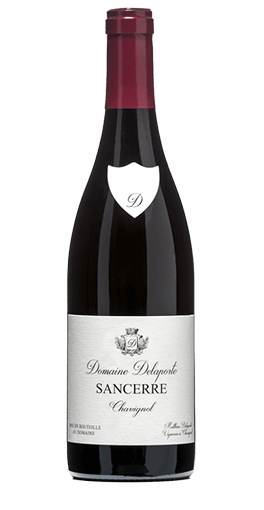
Alphonse Mellot - Sancerre La Moussière rouge 2022
Sancerre|Red wine|Organic
More info

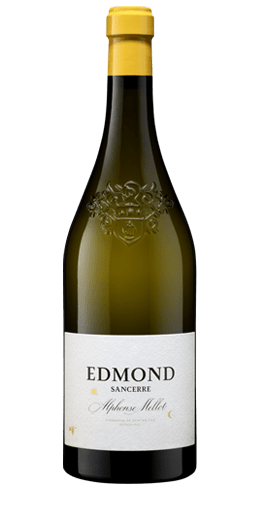
Alphonse Mellot - Sancerre La Moussière blanc 2025
Sancerre|White wine|Organic
5/5 ( 2024 / 4 reviews)
More info

Alphonse Mellot - Sancerre Satellite blanc 2023
Sancerre|White wine|Organic
More info


Loading...