
21550 customer reviews
Saint-Julien

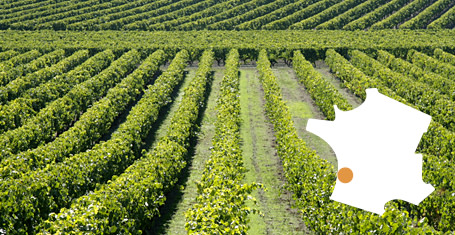
Although Saint-Julien is the smallest of the Médoc appellations in terms of area—covering 920 hectares—it is nonetheless one of the most prestigious and sought-after. Located near the river port of Beychevelle, the Saint-Julien terroir is distinguished in particular by the quality of its soils and their excellent drainage, on a gravelly terrace of Garonne origin that promotes deep rooting of the vines. This terrace rests on a substrate of marl, pebbles, and alios.
Saint-Julien wines offer an intense and complex aromatic profile and are generally characterized by the depth of their ruby color. They skillfully combine power and concentration with finesse and an almost feminine elegance. Notes of blueberry, blackcurrant, blackberry, prune, tobacco, and licorice dominate. With age, pleasant tertiary aromas such as leather, fur, venison, and truffle emerge. The palate is dense, full-bodied, and opulent, with powerful yet finely woven, velvety tannins.
Cabernet Sauvignon is the primary grape variety in Saint-Julien blends. It is blended with Merlot and, to a lesser extent, Cabernet Franc. Saint-Julien wines combine power and concentration with finesse and an almost feminine elegance. They have significant aging potential. The Saint-Julien appellation boasts 11 renowned Crus Classés, including Château Léoville Poyferré, Château Léoville Barton, Château Talbot, Château Ducru-Beaucaillou, Château Lagrange, Château Gruaud Larose, Château Léoville Las Cases, and Château Beychevelle.
Saint-Julien wines offer an intense and complex aromatic profile and are generally characterized by the depth of their ruby color. They skillfully combine power and concentration with finesse and an almost feminine elegance. Notes of blueberry, blackcurrant, blackberry, prune, tobacco, and licorice dominate. With age, pleasant tertiary aromas such as leather, fur, venison, and truffle emerge. The palate is dense, full-bodied, and opulent, with powerful yet finely woven, velvety tannins.
Cabernet Sauvignon is the primary grape variety in Saint-Julien blends. It is blended with Merlot and, to a lesser extent, Cabernet Franc. Saint-Julien wines combine power and concentration with finesse and an almost feminine elegance. They have significant aging potential. The Saint-Julien appellation boasts 11 renowned Crus Classés, including Château Léoville Poyferré, Château Léoville Barton, Château Talbot, Château Ducru-Beaucaillou, Château Lagrange, Château Gruaud Larose, Château Léoville Las Cases, and Château Beychevelle.
The History of the Saint-Julien AOC
Saint-Julien is located between Paillac and Margaux, more specifically on the left bank of the Bordeaux region. This area is also situated not far from the Gironde estuary. It was granted its appellation in 1936. However, the history of the terroir began long before that. More than 2,000 years ago, the Greeks and Romans planted vineyards in the Bordeaux region. They were already producing high-quality wines at that time. As for the English, they helped spur the growth of the Saint-Julien wine trade when they arrived in the region in the 17th century. In 1855, Napoleon III commissioned a classification of the best French wines for the Paris World’s Fair. This event brought fame to the wines of the Médoc, including the Saint-Julien red wine.
A homogeneous terroir
The Saint-Julien AOC has 24 producers, most of whom own large estates. At Château Lagrange, the vineyard covers 118 hectares, while at Château Talbot it spans 110 hectares. The region also includes smaller estates, notably Château Saint-Pierre, with a 17-hectare vineyard. In every case, each estate benefits from a magnificent terroir. The region’s unique geological characteristics stem from a shallow sea that covered the western Aquitaine basin 40 million years ago. The sea receded for the first time 30 million years ago and a second time 12 million years ago. This process resulted in the region’s clay-rich soils.
Deposits of sand and gravel then formed alluvial plains more than 5 million years ago. Clay-rich gravel also formed as a result of tectonic plate movements in the Pyrenees. Saint-Julien thus has two terraces. The oldest is located at an elevation of 25 meters above sea level. As for the most recent one, it lies 17 meters above sea level.
The region also benefits from excellent water regulation thanks to good drainage. The soil type prevents water from pooling. As for the incoming air masses, they play a thermoregulatory role by reducing temperature fluctuations. The vines are protected from the effects of frost, making it possible to produce an exceptional Saint-Julien Bordeaux wine.
Exceptional vintages
More than 90% of the wines produced in Saint-Julien are classified as 2nd, 3rd, and 4th Grand Crus. The Léoville-Barton estate is one of them. It has been owned by the Irish Barton family for more than three centuries. It boasts several old vines. Château Léoville-Las-Cases is home to some of the region’s oldest vineyards. The wines from this estate are characterized by their intensity and power. Among the grands crus, those from Château Léoville-Poyferré stand out for their full-bodied bouquet. There is also Château Beychevelle, which has earned its reputation for the elegance of its wines.
The Vintages of Saint-Julien
Each year, the Saint-Julien vineyards produce 41,000 hl of red wine. This region thus boasts several vintages. Among the oldest, those from 1995 are the most exceptional. The wines are harmonious, characterized by their richness and structure. The 2000 vintages are also exceptional. They are both racy and elegant. The years 2009, 2010, and 2011 also offered ideal conditions for producing exceptional vintages. The same is true for the years 2015, 2016, and 2018. It’s important to note that Saint-Julien wines are meant for aging. They are generally best enjoyed after 10 to 15 years of aging.
For more information, visit the website at Saint-Julien
Buy the best Saint-Julien wines at a private sale!
Rated site21550 reviews
-20€
Starting at €99 on your first order
Discover our selection of the best Saint-Julien wine producers
Our latest sales of Saint-Julien wines
Clos du Marquis de Las Cases - Saint-Julien 2025 (Primeurs)
Saint-Julien|Red wine

More info

Château Léoville Las Cases Saint-Julien 2025 - 2nd Grand Cru Classé (Primeurs)
Saint-Julien|Red wine
More info


Château Gloria - Saint-Julien 2025 (Primeurs)
Saint-Julien|Red wine|Organic
More info

Château Saint-Pierre Saint-Julien - 4ème Grand Cru Classé 2025 (Primeurs)
Saint-Julien|Red wine
More info

Château Beychevelle Saint-Julien 2025 - 4ème Grand Cru Classé (Primeurs)
Saint-Julien|Red wine
More info
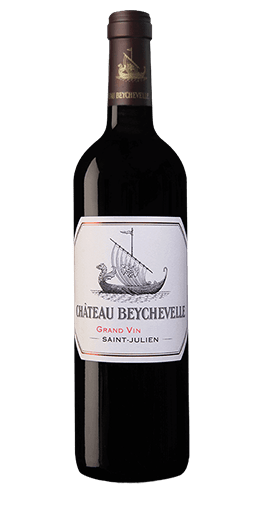
Château Branaire-Ducru Saint-Julien 2025 - 4ème Grand Cru Classé (Primeurs)
Saint-Julien|Red wine
More info
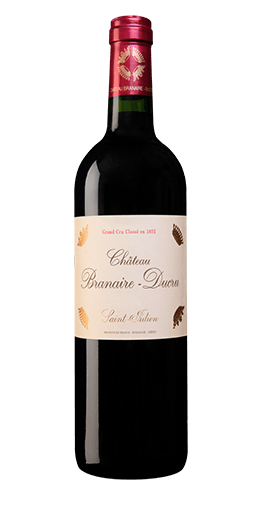
Château Lagrange Saint-Julien 2025 - 3ème Grand Cru Classé (Primeurs)
Saint-Julien|Red wine
More info


Château Ducru-Beaucaillou Saint-Julien 2025 - 2nd Grand Cru Classé (Primeurs)
Saint-Julien|Red wine
More info

Château Gruaud Larose Saint-Julien 2025 - 2nd Grand Cru Classé BIO (Primeurs)
Saint-Julien|Red wine|Organic
More info

Château Léoville Barton Saint-Julien 2025 - 2nd Grand Cru Classé (Primeurs)
Saint-Julien|Red wine
More info

Château Léoville Poyferré Saint-Julien 2025 - 2nd Grand Cru Classé (Primeurs)
Saint-Julien|Red wine
More info

Château Talbot Saint-Julien 2025 - 4ème Grand Cru Classé (Primeurs)
Saint-Julien|Red wine
More info


Loading...