
21192 customer reviews
Pomerol

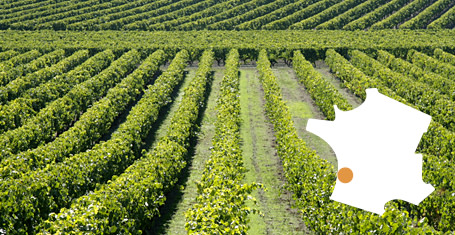
The Pomerol appellation d'origine contrôlée (AOC) is a communal appellation within the Bordeaux wine region , located approximately 50 kilometers east of Bordeaux and near the town of Libourne, on the right bank of the Dordogne River. The Pomerol appellation boasts a rich winemaking history dating back to Roman times. Its production area, relatively small for the region, covers around 800 hectares, allowing for an annual production of approximately 31,000 hectoliters.
The Pomerol wine region's vineyards are situated on a terroir with a unique geological composition: a surface of sandy gravel over a clay subsoil mixed with iron oxides (iron pan), which contributes significantly to the originality and typicity of the appellation's wines. This geology promotes water runoff throughout the year, allowing the vines to flourish.
The Pomerol appellation produces exclusively red wines, primarily from the Merlot grape, most often blended with Cabernet Franc, and to a lesser extent with Cabernet Sauvignon and Malbec. Pomerol wines have a dense, deep ruby or dark red color with garnet highlights. Their aromatic profile features notes of red fruit, violet, truffle, and spice. They are also supple and full-bodied on the palate, combining finesse and intensity with a beautiful tannic structure. Furthermore, Pomerol wines have the advantage of being enjoyable young, but they can also age gracefully in the cellar for up to 20 years or more, developing bouquets of rare complexity and great finesse. Pomerol is also home to some of the most famous estates in Bordeaux, such as the renowned Pétrus, Château La Conseillante, Château La Violette, Château Lafleur, Château Clinet , Château Beauregard, and Château Le Gay.
The Pomerol wine region's vineyards are situated on a terroir with a unique geological composition: a surface of sandy gravel over a clay subsoil mixed with iron oxides (iron pan), which contributes significantly to the originality and typicity of the appellation's wines. This geology promotes water runoff throughout the year, allowing the vines to flourish.
The Pomerol appellation produces exclusively red wines, primarily from the Merlot grape, most often blended with Cabernet Franc, and to a lesser extent with Cabernet Sauvignon and Malbec. Pomerol wines have a dense, deep ruby or dark red color with garnet highlights. Their aromatic profile features notes of red fruit, violet, truffle, and spice. They are also supple and full-bodied on the palate, combining finesse and intensity with a beautiful tannic structure. Furthermore, Pomerol wines have the advantage of being enjoyable young, but they can also age gracefully in the cellar for up to 20 years or more, developing bouquets of rare complexity and great finesse. Pomerol is also home to some of the most famous estates in Bordeaux, such as the renowned Pétrus, Château La Conseillante, Château La Violette, Château Lafleur, Château Clinet , Château Beauregard, and Château Le Gay.
Pomerol: town and landscapes:
The commune of Pomerol borders Saint-Émilion to the west and Fronsac to the east. Its distinctive feature is the absence of a central village, apart from a church. Its scattered settlements are primarily composed of winegrowers' houses. One rarely encounters residences with what is considered opulent architecture. The Pomerol appellationThe appellation, totaling 785 hectares, extends slightly into the commune of Libourne. Pomerol, an exceptional terroir: The geological history of this terroir is intimately linked to that of the Isle River. Over the centuries, it has accumulated gravel and pebbles, arranged in terraces interspersed with thin layers of clay. To these layers is added "iron pan," a type of ferruginous sandstone formed from sands transported by the wind. From these elements arise multiple combinations and just as many wines: • The mixture of deep gravel and varying amounts of clay produces round, silky wines. • Finer gravel mixed with sand and a little clay results in wines that are slower to develop. • In the southern part of the appellation, the gravel contains some limestone and no clay at all. The resulting wines are drier and closer in style to Saint-Émilion. In blind tastings, they are very close to the flagship of the appellation: Château Pétrus. To the west, the soil is siliceous-gravelly with a lot of sand and a high mineral and clay content. The Pomerol wines here are lighter and magnificent to taste from their earliest years. Besides the soil composition, the depth of the water table must be considered: the deeper it is, the more concentrated the aromas. The density of the iron-rich clay also plays a role: the greater it is, the more exceptional the terroir. Thus, the nuances arise from the complexity of the soil. The grape varieties in the Pomerol vineyards are predominantly Merlot, followed by, to a lesser extent, Cabernet Franc (and sometimes Sauvignon Blanc) and Malbec.Pomerol and its great names:
One of the defining characteristics of Pomerol wine is that it has never been subject to any classification, a situation that guarantees its continued social cohesion. But despite this, one wine is universally recognized as being above the rest: Château Petrus and its famous "clay buttonhole." The eternal pinnacle of the pyramid! But on the slopes of this edifice shine wines that remain among the very greatest. We will cite, as examples of excellence, L'Évangile, Trotanoy, Lafleur, Vieux-Château-Certan, La Conseillante, Petit-Village, Certan de Mays, and Lafleur-Petrus...Pomerol Bordeaux: a unique signature
In Pomerol wine, we find the Médoc With its finesse and bouquet, the Saint-Émilion with its structure and color, and the Burgundy with its roundness and joviality. It is one of them, but above all, it is itself, sharing with no other its deep, dark taste with hints of truffle, its velvety power. Its quality is quite consistent, even in bad years. These are wines for long aging. One of their most original traits is excellent maturation: after five years, they already reach the perfection of aging. It is therefore advisable to taste the Pomerol red wines between five and twelve years of age, at an ideal temperature of 17°C, in association with rather rich dishes.For more information, visit the website at Pomerol
Buy the best Pomerol wines in a private sale!
Rated site21192 reviews
-20€
Starting at €99 on your first order
Discover our selection of the best Pomerol wine producers
Our latest Pomerol wine sales


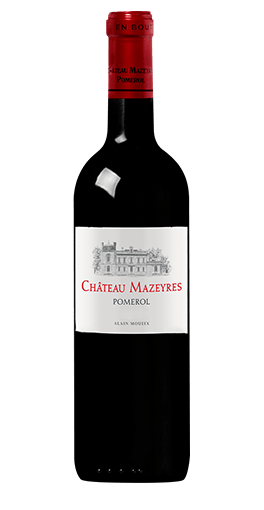
Château Mazeyres - Pomerol BIO 2020
Pomerol|Red wine|Organic

More info


Château Gazin - Pomerol 2019
Pomerol|Red wine
More info


Château Clinet - Pomerol 2020
Pomerol|Red wine
More info


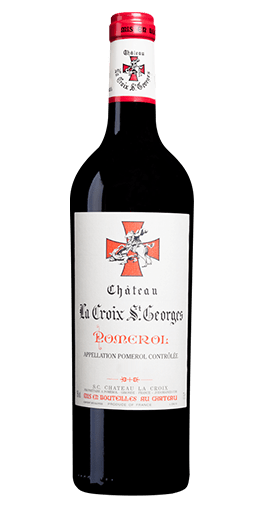
Château La Croix Saint-Georges Pomerol 2019
Pomerol|Red wine
More info
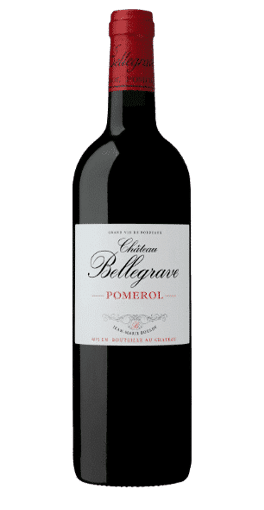
Château Bellegrave Pomerol 2019
Pomerol|Red wine|Organic
More info
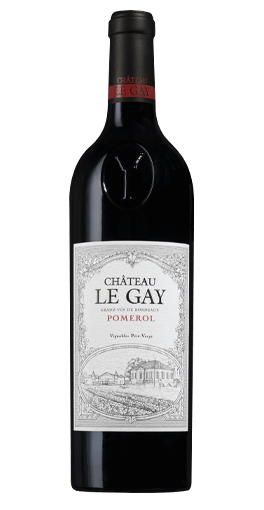
Château Le Gay Pomerol 2017
Pomerol|Red wine
More info
Château La Croix du Casse Pomerol 2018
Pomerol|Red wine
More info

Loading...