
21550 customer reviews
Gigondas

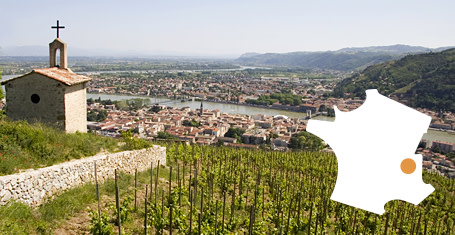
As early as the 12th century, religious orders spearheaded the expansion of viticulture in Gigondas. The Gigondas Appellation d’Origine Contrôlée (AOC) is one of six local appellations in the southern Côtes-du-Rhône, recognized by decree in 1971. Its production area, covering approximately 1,200 hectares, is located in the commune of Gigondas, in the Vaucluse—a magnificent village nestled against the slopes of the Dentelles de Montmirail to the east and overlooking the Ouvèze Valley on terraced slopes to the west.
The Gigondas appellation enjoys a strictly Mediterranean climate with cooler variations depending on altitude: the mistral cleanses the vineyards, rainfall is highly seasonal, and temperatures are very hot during the summer. The terrain of the Gigondas region features stony soils on the ancient terraces of the Ouvèze River, as well as sandy soils over molasse and limestone colluvium on marl on the slopes of the Dentelles de Montmirail. The terroir is magnificently cultivated here by estates such as Domaine des Pallières, Maison M. Chapoutier, Domaine des Bosquets, Domaine Tardieu Laurent, Maison Perrin et Fils, and the unmissable E. Guigal.
Gigondas wines are made from the grape varieties Grenache Noir (limited to 80%), Syrah, and Mourvèdre (with a minimum of 15%), with a yield limited to 34 hectoliters per hectare. The appellation produces deep-colored red wines that are balanced and full-bodied, as well as heady, generous rosés with intense color, distinguished by pronounced aromas of almond and stewed fruit.
The Gigondas appellation enjoys a strictly Mediterranean climate with cooler variations depending on altitude: the mistral cleanses the vineyards, rainfall is highly seasonal, and temperatures are very hot during the summer. The terrain of the Gigondas region features stony soils on the ancient terraces of the Ouvèze River, as well as sandy soils over molasse and limestone colluvium on marl on the slopes of the Dentelles de Montmirail. The terroir is magnificently cultivated here by estates such as Domaine des Pallières, Maison M. Chapoutier, Domaine des Bosquets, Domaine Tardieu Laurent, Maison Perrin et Fils, and the unmissable E. Guigal.
Gigondas wines are made from the grape varieties Grenache Noir (limited to 80%), Syrah, and Mourvèdre (with a minimum of 15%), with a yield limited to 34 hectoliters per hectare. The appellation produces deep-colored red wines that are balanced and full-bodied, as well as heady, generous rosés with intense color, distinguished by pronounced aromas of almond and stewed fruit.
Gigondas: Overview and Characteristics
Gigondas is a wine with a Protected Designation of Origin (AOC), produced exclusively in the town of the same name. Gigondas is a typical village at a moderate elevation in the Vaucluse department. The vineyards, nestled in the heart of the Dentelles de Montmirail, offer a superb view. The Gigondas vineyards span 1,200 hectares. A warm, dry Mediterranean climate, combined with frequent mistral winds, benefits the terroir. The soil in which the vines grow—limestone on one side and sandy-clay with pebbles on the other—gives Gigondas wines great potential. Red wines account for 98% of production, compared to 2% for rosés. The primary grape variety used for both red and rosé winemaking is Grenache Noir. Its proportion, usually a maximum of 50%, can rise to as high as 80%, depending on the appellation. Syrah and Mourvèdre, two grape varieties commonly used in this region, are blended in to complement it.
In addition, a maximum of 10% of another grape variety native to the Côtes du Rhône—with the exception of Carignan—is permitted. Grenache, perfectly suited to the local climate, thus gives this wine its distinctive character. Gigondas wine is sometimes compared to Châteauneuf-du-Pape, which is geographically very close. However, Gigondas has its own unique character, and some exceptional vintages are more affordable than Châteauneuf-du-Pape.
Gigondas: Tasting and Storage
When tasting Gigondas, as with any other wine, the following three aspects are evaluated: appearance, aroma, and taste.
The eye, or vision:
• For red wine: The color is garnet, dark and deep. It resembles ink, with violet highlights. As it matures, the red wine may take on a brick-red hue, which is pleasing to the eye. The wine appears dense and concentrated,
• For the rosé: it has a garnet hue, which is also deep.
The nose:
• Red wine: The initial nose reveals fruity notes, particularly of red berries. The secondary nose evokes aromas of coffee, cocoa, and licorice. Animal notes emerge in older wines,
• Rosé wine: aromas of red berries, complemented by hints of hazelnut and toasted almond, reveal the uniqueness of these wines.
On the palate:
• Red : The young wines are powerful and particularly full-bodied. Their strength and robustness delight lovers of tannins. Wines with aging potential become smoother,
• Rosés: Rather heady and elegant, they offer good structure and depth on the palate, giving them an undeniable freshness.
Food and Wine Pairings:
• Red wine pairs perfectly with meat dishes served in sauce, such as Provençal beef stew, game dishes, and blue-veined or semi-aged cheeses (St. Marcellin, St. Félicien, etc.),
• Rosé pairs wonderfully with appetizers, whether vegetable-based or featuring seafood. It’s a great choice to serve alongside bouillabaisse, bourride, or pasta alla carbonara.
To allow this full-bodied, tannic red Gigondas to reach its full potential through slow aging, it is strongly recommended that you age it for some time. In fact, its power, combined with its fairly high alcohol content, allows it to age well, despite its relatively low acidity.
For more information, visit the website at Gigondas
Buy the best Gigondas wines at a private sale!
Rated site21550 reviews
-20€
Starting at €99 on your first order
Discover our selection of the best Gigondas wine producers
Our latest Gigondas wine sales

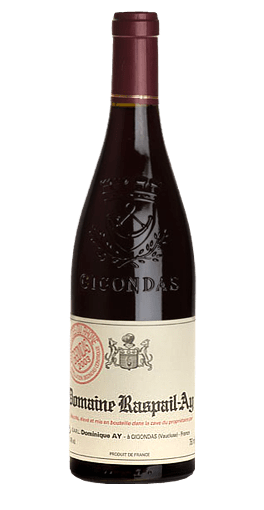
Delas Frères - Gigondas Les Reinages 2022
Gigondas|Red wine

More info


Xavier Vignon - Gigondas Arcane L'Impératrice
Gigondas|Red wine
More info

Domaine Brusset - Gigondas Tradition Le Grand Montmirail 2024
Gigondas|Red wine|Organic
More info


Maison Tardieu-Laurent - Gigondas 2023
Gigondas|Red wine
More info


Moulin de la Gardette - Gigondas Tradition 2023
Gigondas|Red wine|Organic
More info
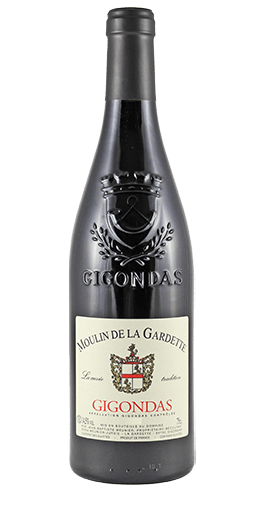
Moulin de la Gardette - Gigondas Ventabren 2023
Gigondas|Red wine|Organic
More info
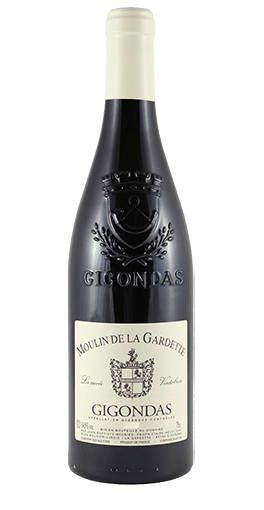
Domaine Santa Duc - Gigondas Clos Derrière Vieille 2021
Gigondas|Red wine|Organic
More info


Alain Jaume - Gigondas Terrasses de Montmirail 2021
Gigondas|Red wine
More info


Domaine la Fourmone - Gigondas Le Fauquet 2023
Gigondas|Red wine|Organic
More info

Loading...