
21550 customer reviews
Corbières

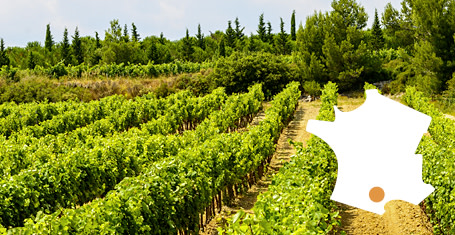
The Corbières Appellation d’Origine Contrôlée (AOC) extends from the outskirts of Carcassonne to the former island of Leucate, from the foothills of the Pyrenees to the base of the Montagne Noire. The Corbières wine-growing region covers approximately 13,500 hectares, yielding an annual production of about 550,000 hectoliters.
The Corbières wine-growing region forms a vast quadrilateral that bears the marks of a turbulent geological history. The vineyards of Corbières are planted on predominantly clay-limestone soils, with variations depending on the terroir: red sandstone in Boutenac, stony terraces in Lézignan, gray marl in Quéribus and Serviès, schist in the upper Corbières, and even coral limestone along the Mediterranean coast. The Corbières appellation is subject to Mediterranean influence, evident in the east through vegetation typical of the garrigue. Some of the westernmost terroirs are influenced by the ocean.
Corbières wines, produced in all three colors (red, rosé, and white), are made from the Carignan (up to 50%), Syrah, Grenache Noir, Lladoner Pelut, Mourvèdre, Piquepoul Noir, Cinsault, and Terret Noir grape varieties for reds and rosés. Corbières white wines are made from Bourboulenc—known locally as Malvoisie—Grenache Blanc, Maccabeu, Clairette, Muscat (maximum 10%), Piquepoul, Terret Blanc, Marsanne, Roussanne, Rolle, or Vermentino. Winemaking is carried out using traditional methods for reds and whites, while rosés are made using the saignée method or direct pressing. The production of these grape varieties is expertly handled by Château d’Aussières, Château Vieux Moulin, Domaine Maxime Magnon, and Château La Voulte-Gasparets.
The Corbières wine-growing region forms a vast quadrilateral that bears the marks of a turbulent geological history. The vineyards of Corbières are planted on predominantly clay-limestone soils, with variations depending on the terroir: red sandstone in Boutenac, stony terraces in Lézignan, gray marl in Quéribus and Serviès, schist in the upper Corbières, and even coral limestone along the Mediterranean coast. The Corbières appellation is subject to Mediterranean influence, evident in the east through vegetation typical of the garrigue. Some of the westernmost terroirs are influenced by the ocean.
Corbières wines, produced in all three colors (red, rosé, and white), are made from the Carignan (up to 50%), Syrah, Grenache Noir, Lladoner Pelut, Mourvèdre, Piquepoul Noir, Cinsault, and Terret Noir grape varieties for reds and rosés. Corbières white wines are made from Bourboulenc—known locally as Malvoisie—Grenache Blanc, Maccabeu, Clairette, Muscat (maximum 10%), Piquepoul, Terret Blanc, Marsanne, Roussanne, Rolle, or Vermentino. Winemaking is carried out using traditional methods for reds and whites, while rosés are made using the saignée method or direct pressing. The production of these grape varieties is expertly handled by Château d’Aussières, Château Vieux Moulin, Domaine Maxime Magnon, and Château La Voulte-Gasparets.
Today, Corbières winegrowers are moving toward organic farming (approximately 45,000 hl) and sustainable development. This is reflected in recycling initiatives, the use of sheep to graze on weeds, and a reduction in the use of motorized equipment.
Oenological Description of Corbières Wines
Corbières red wine is distinguished by its deep red color with purple hues. On the palate, it has a full-bodied flavor with an initial note of berries. This is followed by spicy and peppery notes.
Serving suggestions: La Forge Gérard Bertrand, Domaine du Grand Arc - Cuvée des 40, Château de Lastars.
Corbières rosé wine, on the other hand, has a salmon-pink color. It is characterized by a fruity aroma and a light mouthfeel. While red Corbières has notes of blackberries and blackcurrants, the rosé version offers notes of strawberries and cherries.
Wine Pairing Suggestions: Château Montfin, Villemajou, Cave de Castelmaure.
Corbières white wine ranges in color from white to pale yellow. Unlike the red and rosé versions, it features floral notes, hints of plums, and a touch of anise.
Serving suggestions: Le Blanc Paysan 2015, Corbières Carte Noire Roque Sestières 2015, or a Château Voulte Gasparets 2016
Food and Wine Pairings with Corbières Wines
Knowing how to pair a meal with a good wine is very important for an optimal dining experience. What makes Corbières wines special is that they pair well with a wide variety of dishes.
Corbières white wine is very versatile because it can be served with a platter of cold cuts, a rack of veal, or burrata. It also pairs well with fish such as cod and shellfish such as king crab. It’s worth noting that it brings out the spicy elements in dishes, such as mustard and chorizo....
If you serve a bottle of Corbières rosé with game, you can’t go wrong. It will complement a kangaroo stew just as well as a duck breast. This wine pairs perfectly with Creole cuisine, a fish curry, or an Asian dish like beef in satay sauce. It can also enhance the flavor of vegetarian dishes like tomato crumble.
Finally, Corbière red wine pairs well with poultry dishes such as country-style fondue, chicken chop suey, or goose leg. It is particularly well-suited to dishes featuring citrus fruits.
For more information, visit the website at Corbières
Buy the best Corbières wines at a private sale!
Rated site21550 reviews
-20€
Starting at €99 on your first order
Discover our selection of the best Corbières wine producers
Our latest Corbières wine sales


Domaine de la Cendrillon - Corbières Les Vieilles Pierres rouge 2022
Corbières|Red wine|Organic
4/5(2 avis)

More info





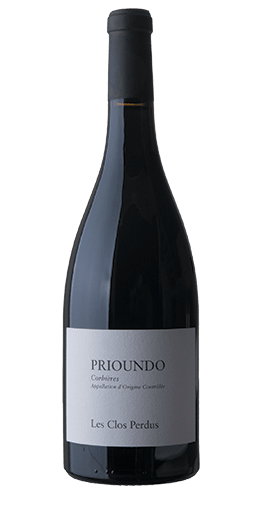
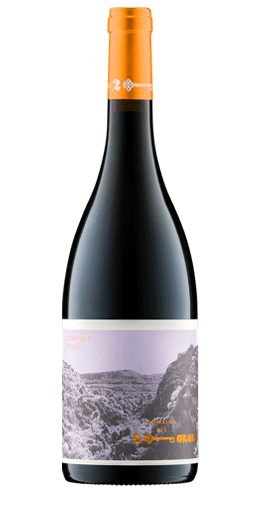
Les Clos Perdus - Corbières Prioundo 2020
Corbières|Red wine|Organic
More info


Loading...